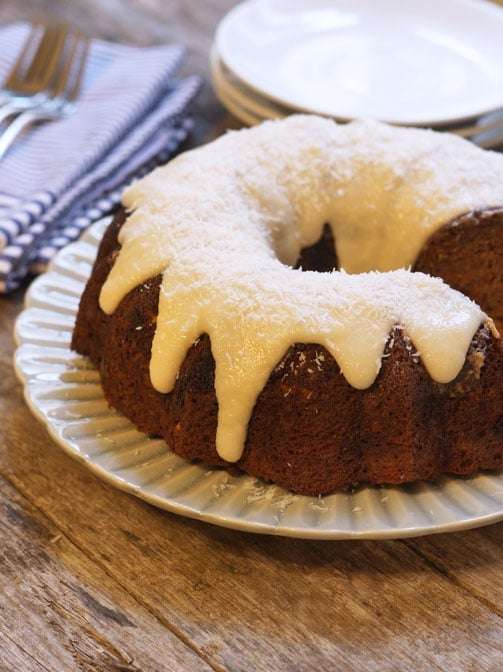
Simple Vegan Lemon Coconut Glaze: Dairy-Free & Nut-Free Perfection
Imagine a glaze that effortlessly transforms any baked good into a masterpiece of flavor and texture – a glaze that's sweet, tangy, and kissed with a subtle tropical note, yet remains entirely dairy-free, nut-free, and vegan. This isn't just a dream; it's the reality of the simple vegan lemon coconut glaze. Forget complicated recipes and restrictive ingredients. This culinary gem proves that deliciousness knows no bounds, offering a perfect solution for those with allergies, dietary preferences, or simply a love for vibrant, plant-based treats. If you're looking for an incredibly
quick and easy baking basic that caters to various dietary needs without compromising on taste, you've found your new go-to.
The Magic Behind the Simple Vegan Lemon Coconut Glaze
At its heart, this lemon coconut glaze nut free vegan recipe is a testament to the power of simplicity. Building upon the classic two-ingredient powdered sugar and lemon juice glaze, we elevate it with the rich, creamy essence of coconut, creating a symphony of flavors that is both familiar and exotic. What makes this particular glaze truly stand out is its commitment to inclusivity:
*
Naturally Vegan: Absolutely no animal products are needed, making it ideal for plant-based lifestyles.
*
Dairy-Free Delight: Traditional glazes often rely on milk or butter for creaminess. Here, full-fat coconut milk or cream steps in, delivering an unparalleled richness and silky texture without a drop of dairy. This also means goodbye to common allergens for many.
*
Nut-Free Assurance: For individuals navigating nut allergies, finding a reliable and delicious glaze can be a challenge. This recipe consciously avoids all nuts, ensuring a safe and delectable option for everyone to enjoy. It’s a true game-changer for those seeking a genuinely
dairy-free lemon coconut glaze that offers a silky-smooth, naturally vegan finish.
*
Gluten-Free Friendly: As long as your powdered sugar is certified gluten-free, this glaze is naturally free from gluten, widening its appeal even further.
*
Effortlessly Quick & Easy: In less than 10 minutes, you can whisk together this luscious glaze, ready to drizzle, dip, or spread. It's the perfect last-minute touch that adds both visual appeal and a burst of flavor.
The addition of coconut milk transforms a basic lemon glaze into something far more luxurious. It imparts a subtle sweetness and a tropical depth that beautifully complements the bright acidity of the lemon. The result is a glaze that's not just sweet and tangy, but also wonderfully complex and incredibly satisfying.
Crafting Your Perfect Lemon Coconut Glaze: Essential Ingredients & Smart Swaps
While the core concept is simple, understanding each ingredient's role is key to mastering this versatile glaze.
The Core Trio: Lemon, Coconut, and Sweetness
1.
Fresh Lemon Juice (and Zest): This is where the "lemon" in our glaze shines.
Always opt for fresh lemon juice over bottled for the brightest, most vibrant flavor. Bottled juice can sometimes have a duller, slightly metallic taste. For an extra zing and beautiful flecks of color, don't forget to incorporate some finely grated lemon zest. The zest contains essential oils that pack a powerful aromatic punch, intensifying the lemony experience.
2.
Powdered Sugar (Confectioner's Sugar): This is the backbone of any smooth glaze. Powdered sugar dissolves easily, creating that characteristic glossy finish. To ensure a lump-free glaze, it's highly recommended to
sift your powdered sugar before mixing, especially if it's been sitting in the pantry for a while. If you're watching your sugar intake, a keto-friendly powdered sweetener (like erythritol or allulose-based options) can be substituted to create a sugar-free lemon coconut glaze. Just be aware that the final texture might be slightly different.
3.
Full-Fat Coconut Milk or Cream: This is the secret ingredient that elevates our glaze to "lemon coconut glaze nut free vegan" perfection. Using *full-fat* coconut milk (from a can) or dedicated coconut cream is crucial for achieving that rich, creamy consistency and distinct tropical flavor. Light coconut milk simply won't provide the necessary richness. Gently stir the canned coconut milk before measuring, ensuring any separated cream and water are combined. If you want an even thicker, more decadent glaze, you can use only the thick coconut cream that rises to the top of a chilled can.
Flavor Enhancers & Adaptable Additions
While the core trio is fantastic on its own, a few additions can take your vegan lemon glaze to the next level:
*
A Pinch of Salt: A tiny amount of salt (just a pinch!) doesn't make the glaze salty; instead, it's a flavor enhancer. It cleverly balances the sweetness, making the lemon and coconut notes pop even more. Don't skip this subtle but impactful addition.
*
Vanilla Extract: While not strictly necessary, a small splash of pure vanilla extract can add a warm, comforting undertone that harmonizes beautifully with both lemon and coconut.
*
Other Spices: For a more adventurous twist, consider a whisper of ground ginger or cinnamon. Ginger, in particular, pairs wonderfully with lemon and provides a gentle warmth.
*
Vegan Butter (Optional): For an exceptionally rich and slightly more opaque glaze, you can melt a tablespoon of vegan butter and whisk it in with your coconut milk and lemon juice. This will contribute to an even more luxurious mouthfeel, mimicking traditional buttercreams without the dairy.
Achieving Glaze Perfection: Step-by-Step & Troubleshooting Tips
Creating a smooth, flawless glaze is simpler than you might think. Here’s how to do it and what to do if you encounter any bumps along the way.
Simple Preparation Steps
1.
Prepare Your Ingredients: Juice your lemon (and zest it if using). Measure out your sifted powdered sugar and full-fat coconut milk/cream.
2.
Combine: In a medium bowl, whisk together the sifted powdered sugar, fresh lemon juice, and full-fat coconut milk. Start with slightly less liquid and add more gradually.
3.
Whisk Until Smooth: Continue whisking until the mixture is completely smooth and free of lumps.
4.
Adjust Consistency: This is where your personal preference comes into play.
Mastering Consistency & Avoiding Graininess
*
For a Thicker Glaze: If your glaze is too thin, add more sifted powdered sugar, one tablespoon at a time, whisking well after each addition until your desired consistency is reached. Alternatively, a tiny pinch of cornstarch can help thicken without adding more sweetness.
*
For a Thinner Glaze: If it's too thick, add a few drops of lemon juice or coconut milk at a time, whisking until it reaches a pourable or drizzly consistency. Remember, a little goes a long way!
*
Sifting is Key: As mentioned, sifting your powdered sugar is the best defense against a grainy glaze. Large lumps of sugar are hard to dissolve.
*
Troubleshooting Graininess: If despite your best efforts, your glaze feels slightly grainy, don't despair! Gently warm the glaze in the microwave for 10-second increments, stirring thoroughly after each burst. The gentle heat helps the sugar crystals dissolve completely, resulting in a wonderfully smooth, glossy finish. Just be careful not to overheat it, as it can cause the glaze to become too thin.
When to Apply Your Glaze
The temperature of your baked goods can significantly impact how your glaze sets:
*
For a Thin, Barely-There Sheen: Apply the glaze when your baked item is still slightly warm. It will melt and create a delicate, almost transparent coating that soaks in beautifully.
*
For a Thick, Opaque Layer: For a more substantial, defined glaze layer that truly showcases its beauty, ensure your baked goods are
completely cooled before applying. This allows the glaze to set firmly and maintain its structure.
*
Setting Time: Once applied, allow the glaze at least 5-15 minutes (or longer, depending on thickness and humidity) to set. This will create that lovely, slightly crisp exterior.
Versatility Beyond Cakes: Unleash Your Glaze's Potential
This simple vegan lemon coconut glaze isn't just for cakes. Its delightful balance of sweet, tangy, and tropical notes makes it incredibly versatile, ready to elevate a wide array of treats.
*
The Classic Cake Topper: Of course, it's perfect for vegan lemon cakes, cupcakes, bundt cakes, and sheet cakes. It adds a professional finish and an irresistible flavor burst.
*
Muffins & Scones: Drizzle it over freshly baked vegan lemon poppy seed muffins, blueberry scones, or even plain vanilla muffins for an instant upgrade.
*
Cookies & Doughnuts: Transform simple sugar cookies, shortbread, or homemade vegan doughnuts with a generous dip or drizzle of this vibrant glaze.
*
Quick Breads: Lemon coconut loaf cake, banana bread, or zucchini bread all benefit from this bright addition.
*
Fruit Tarts & Crumbles: Use it as a decorative drizzle over fruit tarts or as a finishing touch for apple or berry crumbles.
*
Breakfast Bliss: Take your weekend breakfast to new heights by drizzling this glaze over pancakes, waffles, or French toast. It's a delightful alternative to maple syrup.
*
Fresh Fruit Enhancement: A light drizzle over a bowl of fresh berries, sliced mango, or grilled pineapple can add an unexpected and delicious twist.
Conclusion
The simple vegan lemon coconut glaze is more than just a recipe; it's an invitation to explore vibrant flavors without compromise. Its dairy-free, nut-free, and vegan nature ensures that almost everyone can indulge in its sweet, tangy, and subtly tropical embrace. Easy to make, incredibly adaptable, and universally appealing, this glaze is destined to become a staple in your kitchen. So, gather your ingredients, whisk up a batch, and prepare to elevate your baking from delightful to truly extraordinary. Your taste buds (and your guests) will thank you!